The recent fatal shooting of an American citizen by federal immigration agents in Minnesota has prompted corporate leaders to publicly express their disagreement with the Trump administration’s policies. This marks a significant shift, as many executives had remained silent during the administration’s immigration actions over the past year.
The Department of Homeland Security has deployed thousands of Immigration and Customs Enforcement (ICE) and Border Patrol agents to Minnesota, resulting in violent clashes with protestors. The situation escalated following the shooting of ICU nurse Alex Pretti on January 24, which spurred dozens of Minnesota-based CEOs to co-sign a letter calling for “immediate de-escalation” in the state.
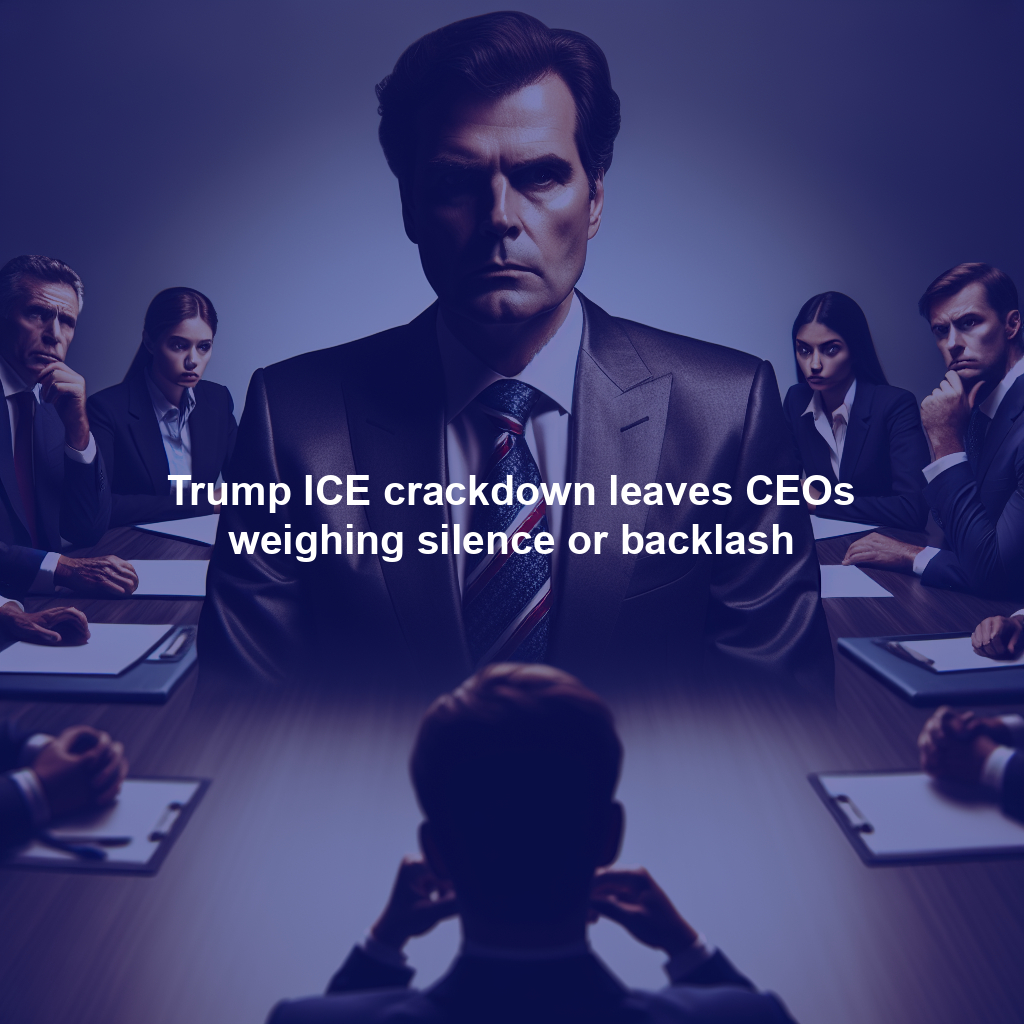
While some CEOs, including JPMorgan Chase’s Jamie Dimon, have begun to vocalize their discontent, many business leaders have chosen to remain cautious. Their group statement refrained from naming the shooting victim or directly addressing the president’s policies, highlighting the fear of potential retaliation from the administration.
Experts note that the business community’s hesitation to speak out illustrates the Trump administration’s use of power to intimidate corporate leaders. A CNBC poll indicated that 56% of corporate leaders find it “a lot more challenging” to voice their opinions on social and political issues today. Many expressed concerns about backlash from both the Trump administration and a divided public.
Target, a prominent Minneapolis-based company, has faced scrutiny for its response to the recent immigration enforcement actions. Its leadership has been criticized for being muted compared to responses during previous crises, such as the aftermath of George Floyd’s death. Recent internal communications acknowledged employee emotions but failed to issue a public condemnation of the ICE actions or call for a review.
Religious leaders in Minneapolis have urged greater corporate responsibility, stating that corporate influence could significantly impact the administration’s approach to immigration enforcement. As tensions continue, the Minneapolis situation serves as a critical point for examining the role of corporations in political discourse and their willingness to engage with controversial issues.
Source: Reported based on publicly available information from www.cnbc.com.